
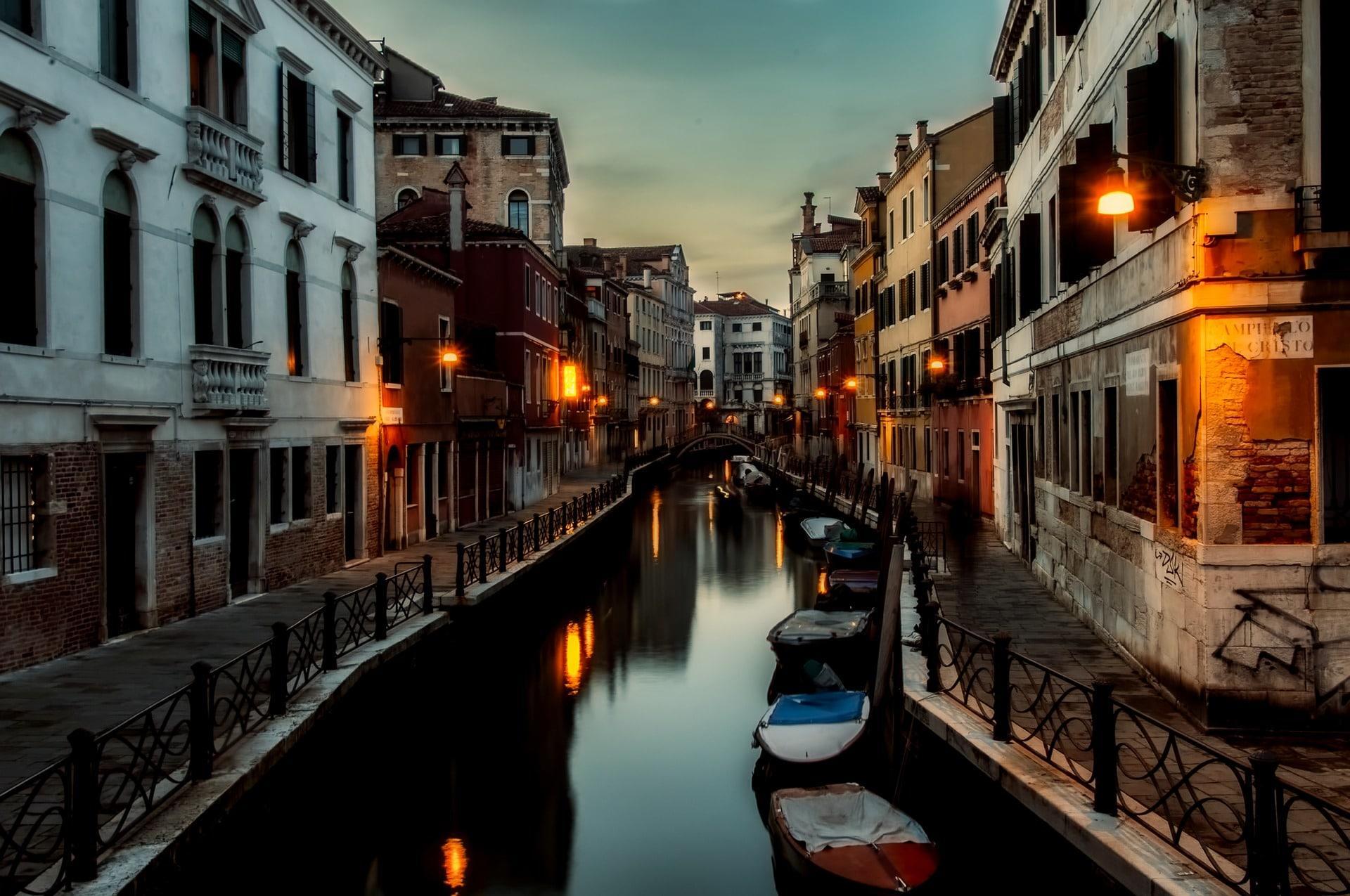

“To build a city where it is impossible to build a city is madness in itself, but to build there one of the most elegant and grandest of cities is the madness of genius.” - Alexander HerzenVenice, also known as "La Dominante", "La Serenissima", "Queen of the Adriatic", "City of Water", "City of Masks", "City of Bridges", "The Floating City", and "City of Canals", is famous for being a treat for all the senses. It’s also one of the world’s most romantic destinations and is a UNESCO World Heritage Site. Covering 414.6km2, Venice is famous for its charming neighbourhoods and 121 islands connected by a network of 435 bridges and multiple canals. With so much heritage, it’s hardly surprising that 30 million people head to Venice every year as tourists. So what can you do in Venice? In this article, we're going to look at some of Venice's most popular attractions and sights.

The best Italian tutors available


Cosimo
L717
/h

1st lesson free!

Elisa
L652
/h
1st lesson free!

Cosimo
L732
/h
1st lesson free!

Claudia
L581
/h
1st lesson free!

Attilio
L732
/h
1st lesson free!

Enrico
L1,413
/h
1st lesson free!

Matteo
L761
/h
1st lesson free!

Roberta
L652
/h
1st lesson free!
Cosimo
L717
/h
1st lesson free!
Elisa
L652
/h
1st lesson free!
Cosimo
L732
/h
1st lesson free!
Claudia
L581
/h
1st lesson free!
Attilio
L732
/h
1st lesson free!
Enrico
L1,413
/h
1st lesson free!
Matteo
L761
/h
1st lesson free!
Roberta
L652
/h
1st lesson free!
Saint Marks’ Square
This is an unmissable site in Venice. Saint Mark’s Square, or Piazza San Marco, is without a doubt the most visited part of town and maybe even Italy! It’s 175 metres long and 83 metres wide and surrounded by some incredible architecture. There’s Saint Mark’s Basilica, Saint Mark’s Campanile, and the majestic Doge’s Palace. Today it’s a key part of every tourist’s visit and considered the centre of Venice, but that wasn’t always the case. Venice was the capital of the Republic of Venice for eleven centuries from 697 to 1797. It dominated the Mediterranean Sea in terms of naval power, military power, and trade from the Middle Ages to the Renaissance. Saint Mark’s Square was home to the Procuratie, the high-ranking magistrates of Venice. Today, these buildings are home to souvenir stores, cafés, and bars. It was also home to important political and religious decision making and the religious centre of the city. Find out more about visiting Venice.Saint Mark’s Basilica
This Gothic and Byzantine style building is arguably the most important on Saint Mark’s Square.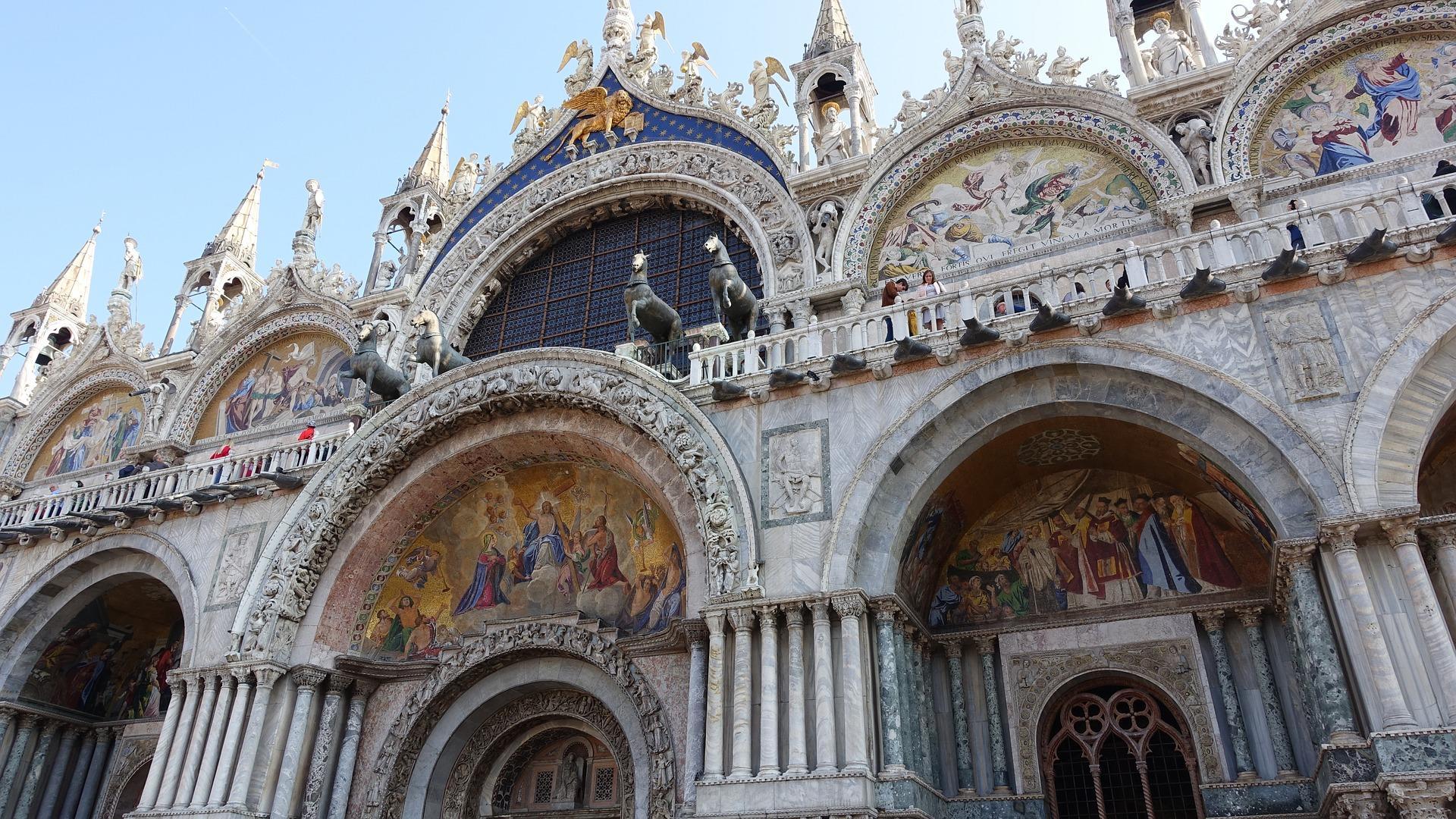
The Doge’s Palace
This is another must-see sight in the San Marco neighbourhood, the city’s historic centre. The Doge’s Palace is a Dantean masterpiece that blends Gothic and Renaissance styles. It was the resident of the Doges under the Venetian Republic. Constructed in 1340, it’s a testament to the city with its blend of Gothic, Byzantine, and Venetian art. Today, it’s a museum that’s home to rooms decorated with art by famous Venetian artists such as Titian, Bellini, Veronese, and Tintoretto.The Grand Canal
Snaking its way through Venice, the Grand Canal is one of the city’s must-see sights. With hundreds of palaces and churches from the 13th to 18th century lining the banks, the Grand Canal is like a passageway through time. You can start to learn Italian London today.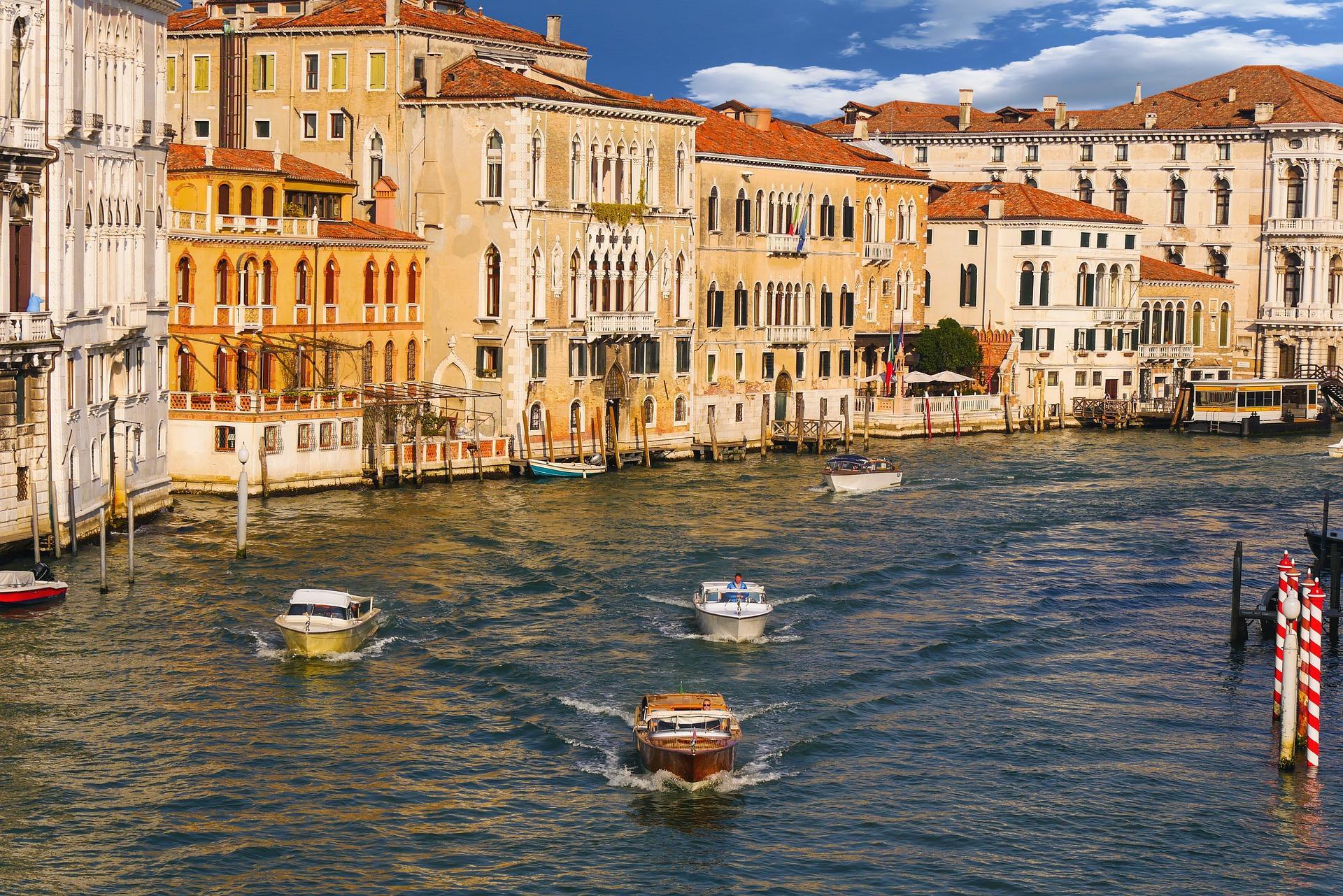
Carnival of Venice
Are you heading to Venice in February just for the Carnival of Venice? In 2020, it’ll take place between 8th and 25th February. Dating back to the Middles Ages, the Carnival of Venice is home to masks, costumes, colours, and Italian traditions. Thousands of visitors from all over the world attend it every year. Of course, during the carnival isn’t the best time to visit Venice itself: there are far too many people to see anything and the prices for everything go up. A lot of the festivities take place around Saint Mark’s Square and the streets in the centre of Venice. Of course, it’s a fantastic time for photographers to visit.The best Italian tutors available
Cosimo
L717
/h
1st lesson free!
Elisa
L652
/h
1st lesson free!
Cosimo
L732
/h
1st lesson free!
Claudia
L581
/h
1st lesson free!
Attilio
L732
/h
1st lesson free!
Enrico
L1,413
/h
1st lesson free!
Matteo
L761
/h
1st lesson free!
Roberta
L652
/h
1st lesson free!
Cosimo
L717
/h
1st lesson free!
Elisa
L652
/h
1st lesson free!
Cosimo
L732
/h
1st lesson free!
Claudia
L581
/h
1st lesson free!
Attilio
L732
/h
1st lesson free!
Enrico
L1,413
/h
1st lesson free!
Matteo
L761
/h
1st lesson free!
Roberta
L652
/h
1st lesson free!
Cannaregio
Would you like to see a different side of Venice? Cannaregio is often forgotten about by tourists, making it a must-see neighbourhood. To the north of the city centre, the neighbourhood became a Jewish ghetto on 29 March 1516. As the Jewish quarter, Cannaregio is home to many synagogues and the Jewish Museum of Venice, which pays homage to the many Jewish people who fled Venice during the Second World War. Jewish people driven out of Spain and Italy were forced to live here between 1516 until the occupation of the city by Napoleon Bonaparte in 1797. The neighbourhood is far from the hustle and bustle of San Marco but it’s still lively. There are souvenir stores, artisanal products, and a market, as well as many bars. Find out the best Italian courses here.Basilica of Santa Maria Della Salute.
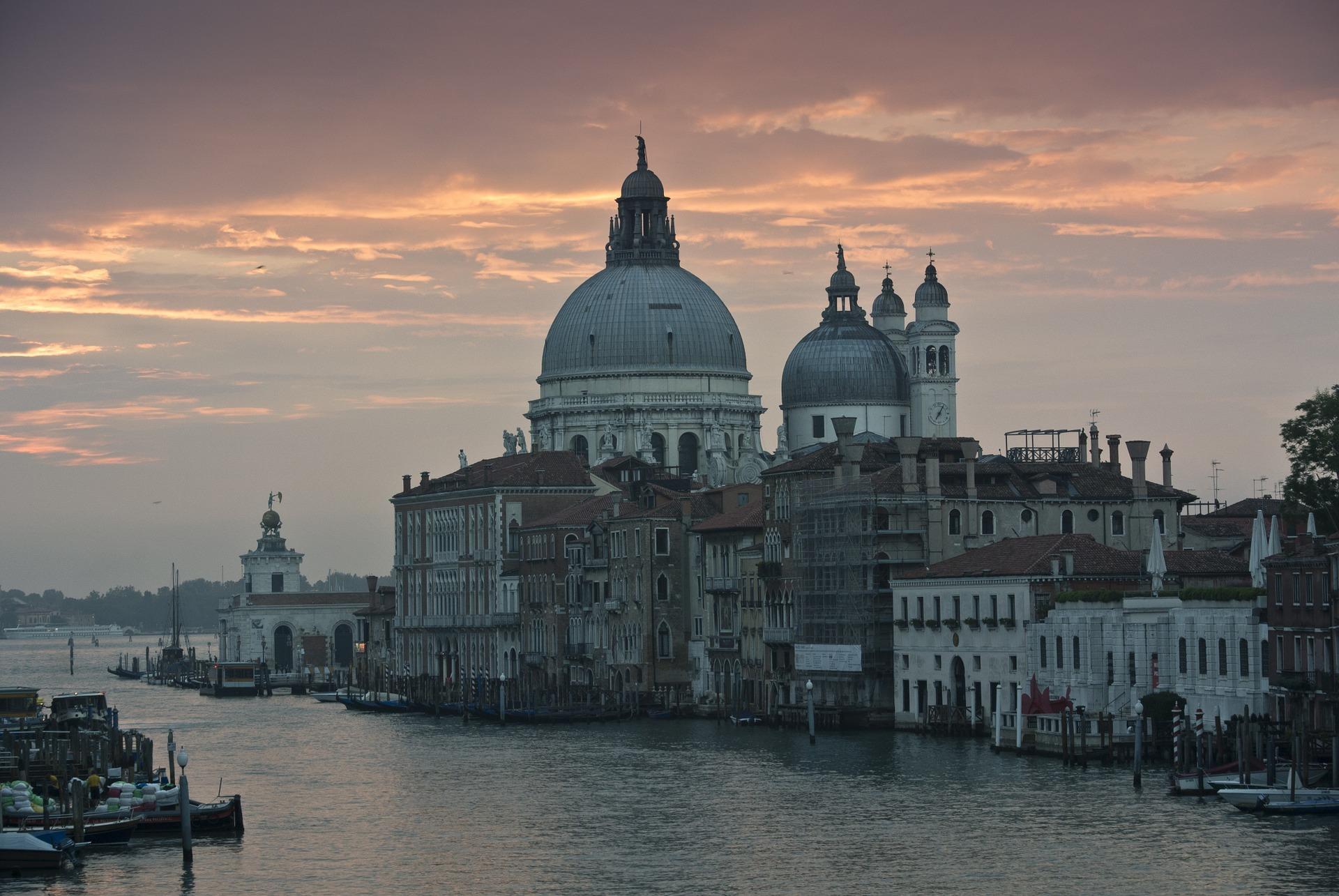
- The Chapel of the Descent of the Holy Spirit
- The Chapel of Saint Anthony of Padua
- Three chapels dedicated to the life of the Virgin Mary.
Venice’s Famous Bridges
Venice is made up of 121 islands joined by a total of 435 bridges including the Ponte Della Libertà that joins Venice to the mainland, the bridges over the Grand Canal, and the bridges in Burano, Torcello, Murano, and the Lido. The most famous bridges include the Rialto Bridge and the Bridge of Sighs, which connects the interrogation rooms of the Doge’s Palace. The Rialto Bridge is the oldest in Venice and the name comes from the neighbourhood where it’s located. Initially built out of wood in the 14th century, it remained the only connection between the two parts of the city until the 19th century. You can recognise it from its three paths and 12 arches, six on the way up and six on the way back down. It’s one of the city’s most visited attractions, too. Find out more about accommodation in Venice.The Islands in the Venetian Lagoon
So how can you visit Venice without visiting the famous islands in the lagoon? One of Venice’s most popular forms of transport is the Vaporetto which is like a water taxi that connects Venice to the other islands including Lido, Giudecca, Burano, and Murano, for example. Check for the best Italian lessons online.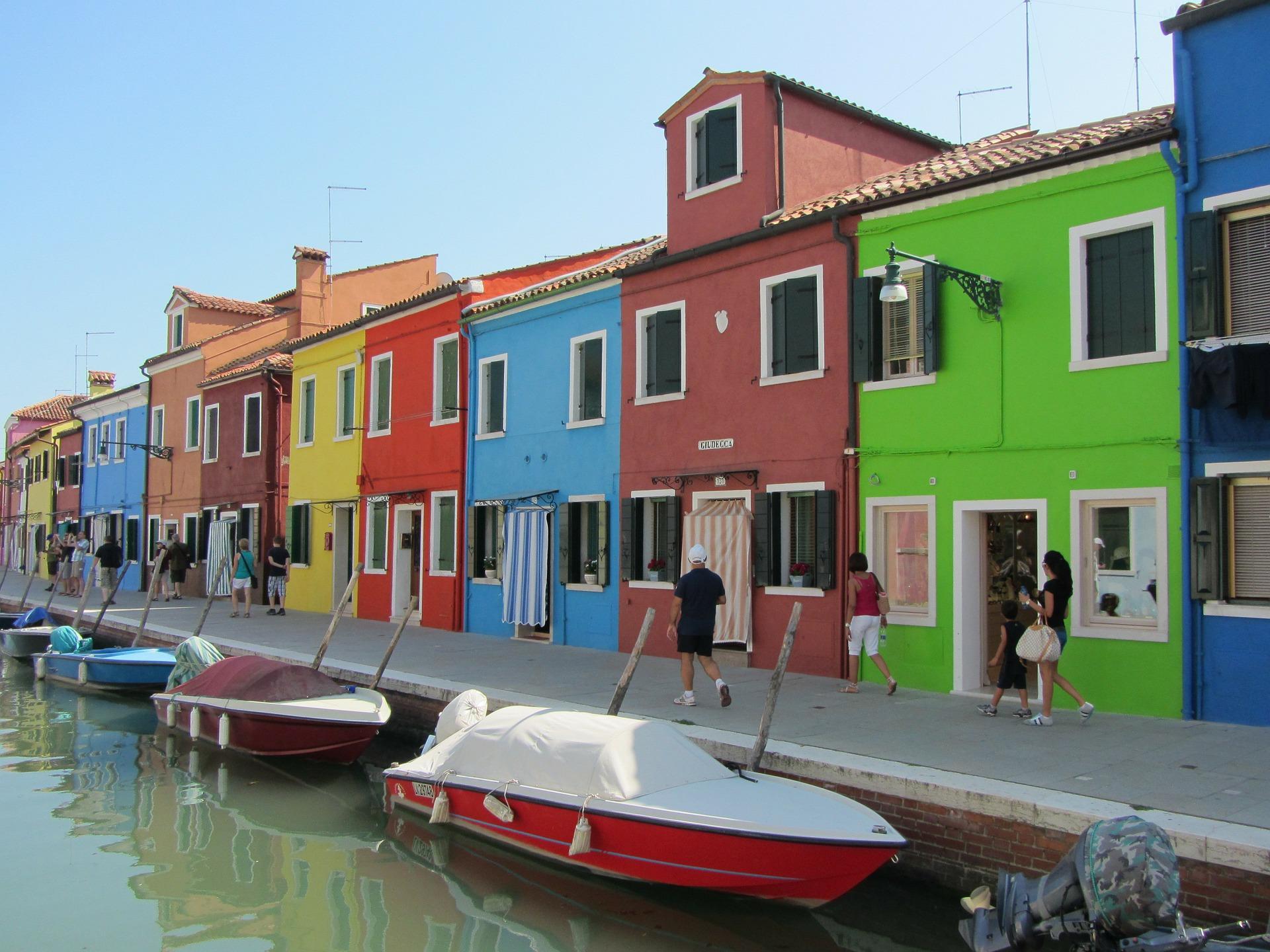
Gondola Rides
While a bit cliché, you can always take a gondola ride. The typical romantic escapade, a gondola ride with a gondolier dressed in his stripey navy and white top, is an interesting way to explore Venice. Similarly, it’s a great way to experience Venice like it would have been under the Venetian Republic. The cost: €80 during the day, €100 at night!Venetian Museums
Still got some time left in Venice? Make the most of the city’s best museums. The Natural History Museum, the Naval History Museum, the Peggy Guggenheim, or the Gallerie dell’Accademia. The Gallerie dell’Accademia is home to works from Venetian painters dating from the 14th to the 18th centuries. Works from Bellini, Carpaccio, Giorgione, Tintoretto, Veronese, and Tiepolo are all exhibited here. The Peggy Guggenheim museum is the museum to visit in Venice if you want to see modern art.Summarise with AI:
Did you like this article? Leave a rating!

 Loading...