Nutrition is important, throughout all stages of life. Having said this, our dietary and nutritional requirements may change, for example, if:
You’re pregnant;
You’re young or old;
You have a food sensitivity; or
You’re relatively inactive.
As such, it’s good to have an understanding of what constitutes good nutrition and learn ways to maintain a healthy diet that can keep you at a healthy weight over the long term. If you need further advice about how to eat well or want more information on what constitutes good nutrition and diet, you can also speak to a tutor at Superprof for advice.
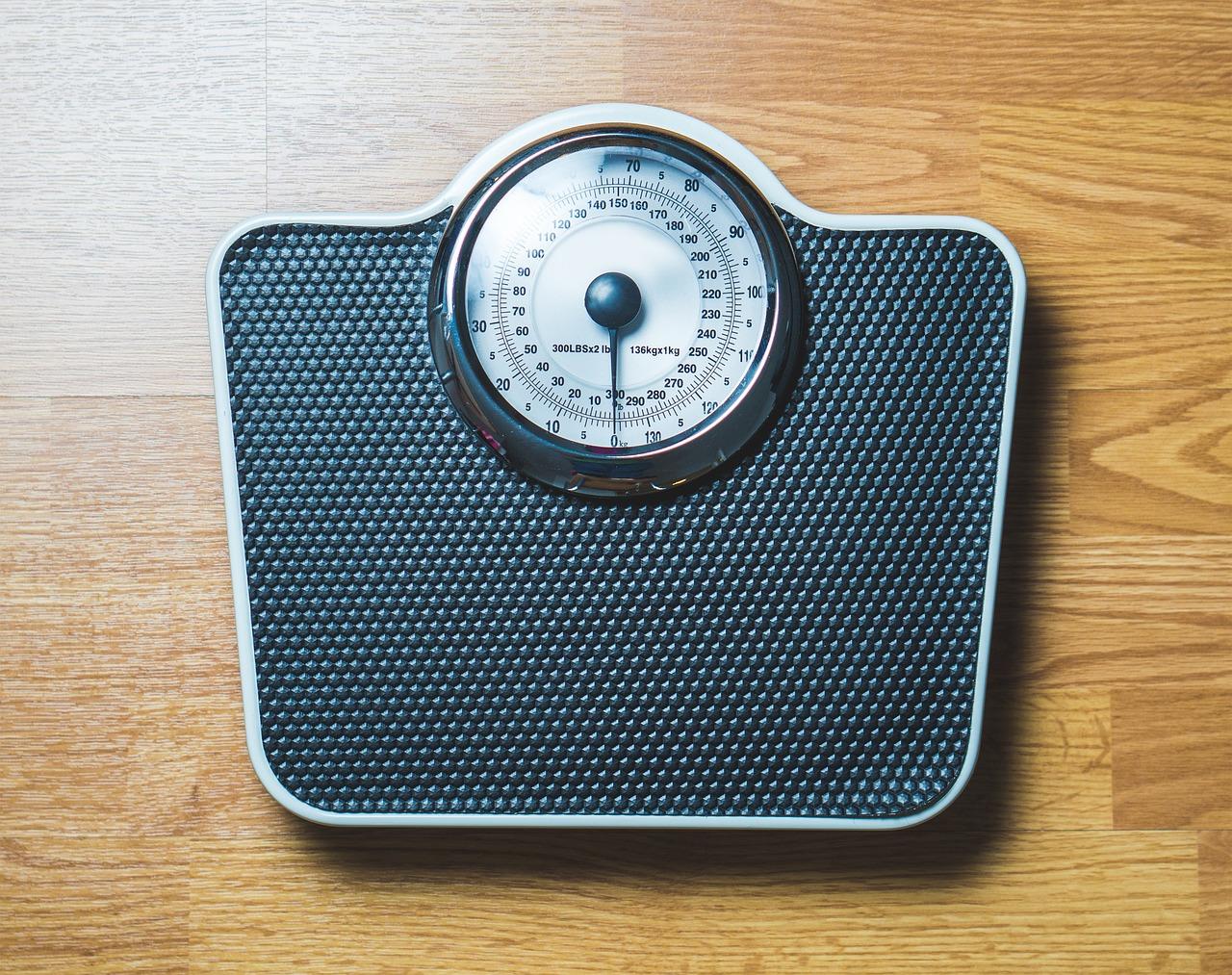
Good nutrition is important regardless of how old you are. Whether you are in your early years or are an older adult, your body needs nutrients in order to operate effectively. That is why having a balanced, healthy diet is crucial at every stage of life. Although you need to have a good diet, and also ideally a regular exercise regime, in place for every decade of your life, it is equally true that your nutritional and dietary requirements do tend to change with age. This is for a number of reasons. Taking teenagers as an example, as their bodies are growing, teenagers often can be quite hungry and may be tempted into eating a few too many unhealthy snacks in order to keep hunger pangs at bay. As such, the challenge when finding a good nutritional plan for a teenager is to find snacks that can help keep them full but are still healthy. In such instances, it might be that a handful of nuts are a much better snack for teenagers compared to a chocolate bar. Conversely, as we get older, we may not be as active, and as a result, we may end up eating too much compared to the amount of energy that we burn off. When this happens, you can gain weight. Consequently, to try and maintain a healthy weight as we get older, it’s a good idea to still exercise regularly, if possible, and to watch what we’re eating a little more. A healthy diet and exercise is a great way to maintain or lose weight. (Image Source: CC0 1.0, stevepb, Pixabay)
How To Read Food Labels
Reading food labels is a great skill to have, especially if you’re interested in nutrition and want to make sure that you make healthy food choices that provide you with a balanced diet. There are a number of different food-labelling requirements in the UK, so initially, it can be a bit of a struggle to interpret the labels on various packaged products, and understand which foods are healthier than others. For example, one particular food labelling approach, known as the traffic light labelling system, is not mandatory but can be very useful when trying to get a quick overview of how healthy a product is. Under this labelling system, products are marked green, amber, or red, depending on the amount of the following present per 100g of product:
Calories;
Fat;
Sugar;
Salt; and
Saturated fat.
When it comes to more compulsory food labelling requirements, it’s helpful to know that pre-packaged products in the UK also have to list the number of ingredients present in the product if there is more than one ingredient and that any allergens present in the food also have to be listed. This means that should you have a particular dietary requirement – for example, if you’re lactose intolerant – you should be able to identify ingredients that could cause you to become unwell and avoid buying those products. When it comes to nutrition, reading food labels correctly can not only keep you safe (if you have to avoid certain foods) but it can also help you identify more processed meats and snacks. This means that you can then opt for healthier alternatives, which should be better for your health in the long run.
When you are looking to lose weight, or maintain your current weight, it can be difficult to know whether or not you should be counting calories in order to achieve your weight goal. Ultimately, the decision about whether you should count calories through a device such as a calorie tracker is up to you, but counting calories can be an effective way to maintain or lose weight, provided that you are regularly tracking what you’re eating. There are a number of different calorie tracking apps out there that can help you achieve your weight loss goal, such as My Fitness Pal, but it’s worthwhile having a look around and seeing which apps are most highly rated, and which would work best for you and your lifestyle. Crucially, when counting calories it’s important to bear in mind a few things:
It’s still a good idea to get regular exercise to maintain your overall health; and
You should watch what kind of foods you are consuming.
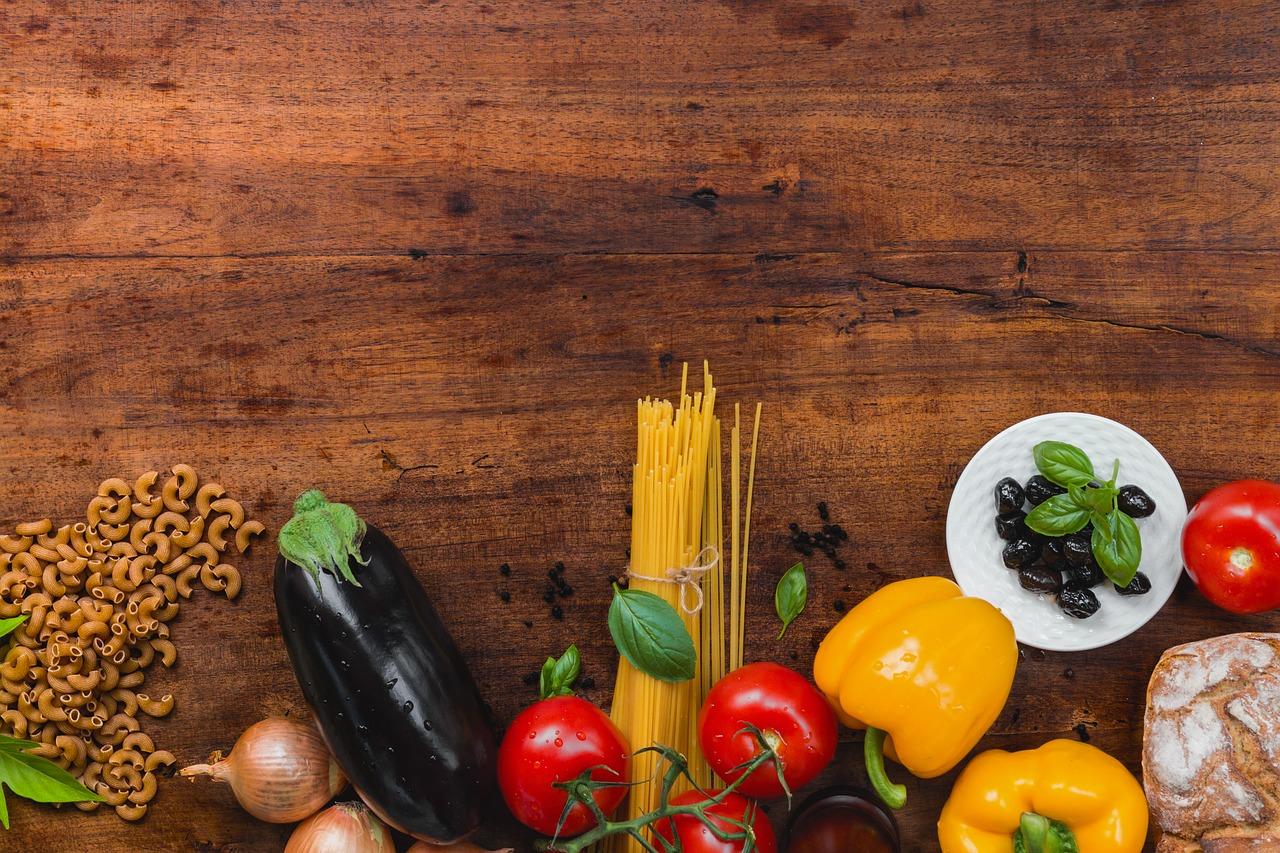
This is because you can easily reach your calorie limit for the day just by eating unhealthy or processed foods or snacks. While you may not exceed your goal calorie intake, such foods aren’t a great source of nutrition for your body, and you may end up feeling hungry later on during the day. Instead, try to meet your daily calorie goal by eating a balanced diet, making sure that you get your five portions of fruit and vegetables a day, if not more, and drinking lots of water to keep hydrated. A good balance of different food groups forms part of a healthy diet. (Image Source: CC0 1.0, fxxu, Pixabay)
Optimise Your Pregnancy Nutrition
When you’re pregnant, unfortunately, a lot of foods seem to become off-limits or have to be eaten with a certain amount of caution. What can be more frustrating is that you can often find conflicting advice online about what foods are good for you, and which ones could potentially be dangerous for your growing baby. As such, when looking for advice on what good pregnancy nutrition looks like, it’s best to stick with the advice that you’ve been given from a qualified health provider, as well as information provided by official sources such as the NHS. For instance, the NHS recommends that pregnant women:
Do not drink any alcohol during pregnancy;
Don’t eat cold soft cheeses that have white rinds, such as brie;
Limit the amount of caffeine consumed; and
Avoid certain types of fish, such as marlin shark, and swordfish.
If you are struggling with your pregnancy diet, or you want to find a way to keep yourself feeling full without reaching for unhealthy or sugary snacks and drinks, you may also do well to educate yourself about good nutrition during pregnancy. A nutrition tutor at Superprof can teach you the basics of good nutrition, and can also recommend meal plans that are suitable for women who are pregnant. Having a good meal plan in place can mean that you’re getting enough nutrients to your growing baby, while also ensuring that you feel fuller for longer. Just enter in your postcode to find a nutrition tutor near you who has experience in nutrition for pregnancy. Join the discussion: should learning how to cook be considered a part of one's education? Calorie counting can help when you're trying to lose weight and maintain a healthy diet. (Image Source: CC0 1.0, TeroVesalainen, Pixabay)
Nutrition For Weight Loss
If you’re looking to lose weight, then you want to make sure that you shed those kilos in a healthy way but are still able to give your body the nutrients it needs to function properly. In order to do this, it’s best to make sure that you avoid excessive dieting or exercising, and instead opt for a more balanced weight loss regime. This means aiming to lose around 0.5kg (1lb) per week. You can lose weight through either calorie counting and calorie restriction alone, through exercise, or a combination of both. If you want to ensure your body is getting the best nutrition possible while on your weight loss journey, then consider the following things:
Making sure that you eat regular, balanced meals that have a mixture of carbs, proteins, fibres, and fruit and vegetables;
You drink water regularly to keep yourself hydrated;
You learn how to read food labels correctly so that you can make healthier food choices in the supermarket; and
Plan your meals each day, so that you know you have a good balance of foods and nutrition, whether that means incorporating lean meat, eggs, or leafy green vegetables into your daily diet.
If you need any extra tips or support when it comes to losing weight, then you can also reach out to a tutor at Superprof for advice. They can provide meal plans that are nutritionally good for you and will keep you full, and can also provide ongoing support to encourage you on your weight loss journey. This can be particularly useful if you’ve started to plateau with your weight loss and need some extra motivation to shed those final kilos. Reach out to a nutritionist near me for more information.
How to Eat Gluten-Free: Knowing What Foods to Eat and What Foods to Avoid "A gluten-free diet still allows you access to almost every fruit and vegetable, a variety of grains and legumes, your pick of dairy products, fresh meats and fish and a whole slew of special gluten-free delights to satisfy your pretzel-bagel-muffin-doughnut craving." […]
The Importance of Good Nutrition for the Entire Body "When you truly understand that your food choices are powerful and life affirming, you can exercise control and restraint without deprevation." -Marlene Adelmann Adopting a healthy diet and eating well is easier said than done for many people. According to a recent study conducted by the […]





 Loading...